The company's suspended basket wire ropes are braided from high-strength galvanized steel wire and coated with PVC, ensuring both load-bearing capacity and corrosion resistance.
Read More
Purpose: Targeting the high fatigue strength requirements of steel wire ropes used in port machinery, our company's non-rotating wire rope (35W×7 structure) utilizes multi-layer reverse twisting technology to significantly reduce torsional stress during use. Combined with PE coating, it maintains ov
Read More
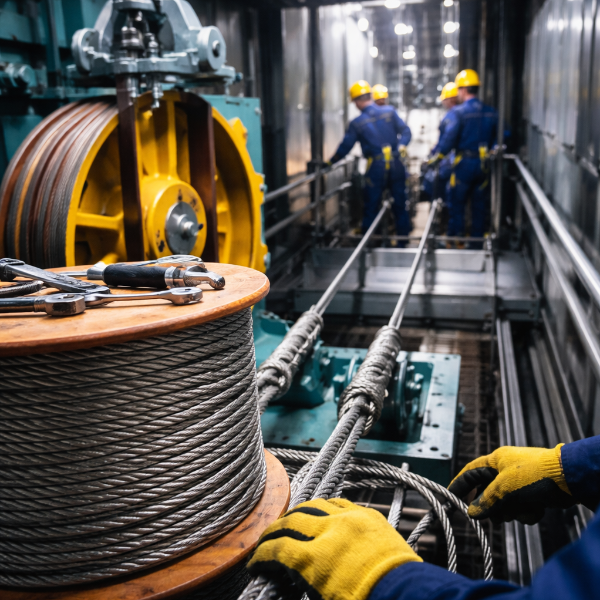
This elevator-specific steel wire rope utilizes T-grade carbon steel wire. A line contact process increases the contact area between the wires by 30%.
Read More
Targeted at the load-bearing needs of greenhouses, our PA-coated steel wire rope is both UV-resistant and low-temperature-resistant, maintaining 85% of its yield strength at -30°C.
Read More
Utilizes a 6×36WS+IWRC non-rotating steel wire rope, phosphated and coated with a PU coating. It meets ASTM D4329 standards in seawater immersion tests.
Read More
Our 1×7 steel strand utilizes SWRH82B high-carbon wire rod, stabilized to a relaxation rate of ≤2.5%. Combined with a zinc-aluminum alloy coating, it forms a dense protective layer of 0.8-1.2mm in concrete structures, meeting the requirements of the JT/T 1063-2016 bridge specification.
Read More
Why does replacing elevator steel wire rope cost so much in 2026? Many expect a simple price per meter, yet real quotes often vary widely. This gap creates confusion for building owners and maintenance teams. The truth is, elevator steel wire rope replacement involves more than just materials. Costs depend on steel pricing, rope specifications, installation difficulty, and system condition. Each factor adds a layer of complexity that affects the final budget.
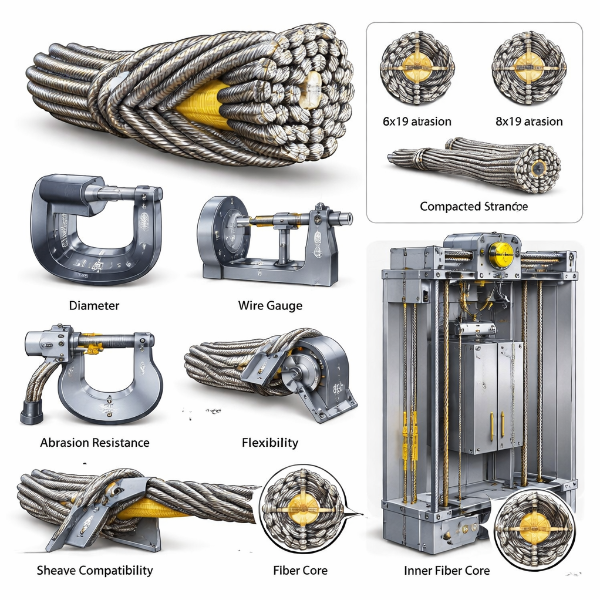
Have you ever wondered why two elevators can look similar, yet perform very differently over time? In many cases, the difference starts with the elevator steel wire rope. Its specifications shape safety, ride comfort, traction, and long-term reliability. For many buyers and maintenance teams, rope data can seem too technical at first. Still, it matters in daily operation.
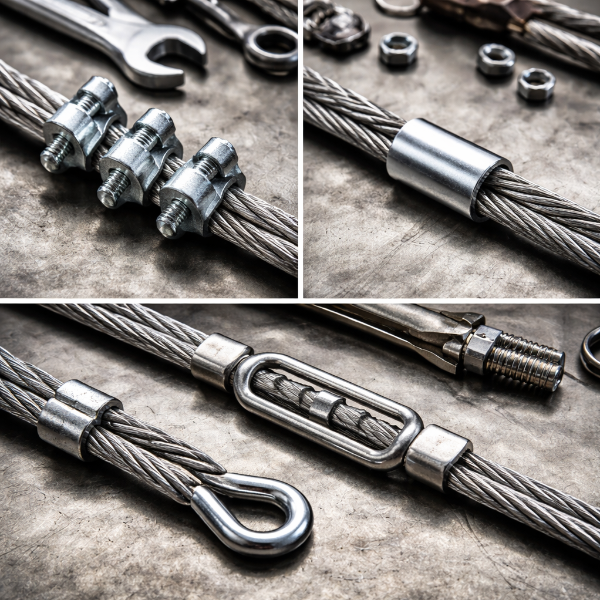
Joining two lengths of steel cable may seem easy, yet a weak connection can fail when it matters most. If the joint slips, bends, or loosens under load, the whole system can suffer. This topic matters in lifting, fencing, railing, and structural support. The right joining method depends on load, installation conditions, and whether you need a temporary or permanent connection. It also depends on using the correct fittings and dependable materials.