Introduction
Joining two lengths of steel cable may seem easy, yet a weak connection can fail when it matters most. If the joint slips, bends, or loosens under load, the whole system can suffer.
This topic matters in lifting, fencing, railing, and structural support. The right joining method depends on load, installation conditions, and whether you need a temporary or permanent connection. It also depends on using the correct fittings and dependable materials.
In this article, you will learn how to choose the best way to join two cables for real use. We will cover common methods, key tools, and practical tips for building a strong, clean, and reliable steel cable connection. Reliable products from experienced suppliers such as Fengying can also help improve long-term results.
Best Methods to Join 2 Steel Cables
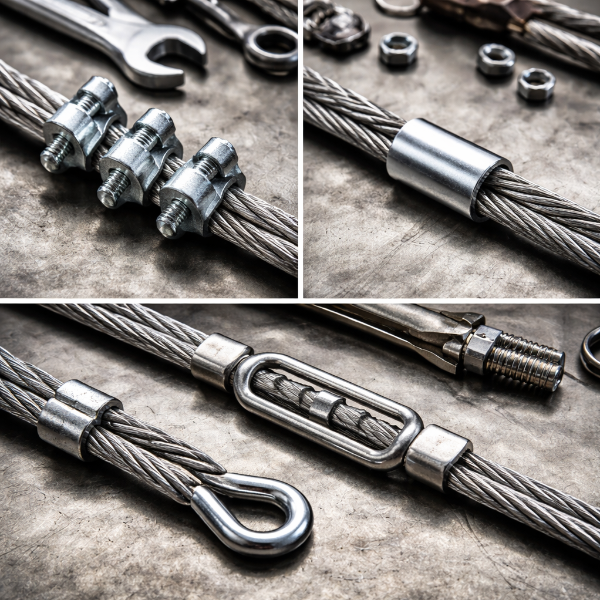
Wire rope clips for a simple steel cable connection
Wire rope clips are one of the most common ways to join steel cable. They are easy to install and require only basic tools. This makes them ideal for fieldwork, quick repairs, or situations where adjustments may be needed later.
With this method, you form loops at the ends of both cables and secure them using clips. Then, you connect the loops together. It works well for temporary or semi-permanent setups.
Another advantage is flexibility. If you need to adjust the cable length or reposition it, you can loosen and retighten the clips without replacing the entire system.
Swage sleeves for a clean permanent steel cable joint
Swage sleeves, also called ferrules, create a strong and permanent connection. You slide a metal sleeve over the cable ends and compress it using a swaging tool. Once pressed, the sleeve tightly grips the steel cable.
This method produces a clean and compact finish. It is often used in marine systems, architectural cables, and applications where appearance matters.
It also provides consistent strength. Since the compression is uniform, the connection remains stable even under repeated load.
Splicing steel cable for a more integrated connection
Splicing involves weaving the strands of one steel cable into another. It creates a smooth and flexible joint that behaves almost like a single continuous cable.
This method requires more skill and time, but it delivers excellent results. It is often used in industries where flexibility and strength are both critical, such as rigging or heavy-duty lifting.
Splicing can retain a large portion of the cable’s original strength. It also avoids bulky hardware, which helps when space is limited.
Turnbuckles and connectors when steel cable tension matters
Turnbuckles and connectors add another layer of control. They do not just connect cables; they allow us to adjust tension after installation. This becomes useful when alignment or load conditions change over time.
We can combine them with clips or sleeves to build a complete system. For example, a railing system may use swaged ends plus a turnbuckle for fine adjustment. This approach gives both strength and flexibility in one setup.
Method | Best Use Case | Adjustability | Appearance |
Wire rope clips | Temporary setups | High | Moderate |
Swage sleeves | Permanent installations | Low | Clean |
Splicing | Flexible connections | None | Smooth |
Turnbuckles | Tension control systems | High | Functional |
This comparison helps you quickly choose the right method based on your needs. By combining the proper steel cable connection with the right level of adjustability, you can achieve both stability and long-term performance.
How to Join 2 Steel Cables with Wire Rope Clips
Choose wire rope clips that match the steel cable diameter
Selecting the right size clip is critical. If the clip is too large, it will not grip properly. If it is too small, it may damage the cable. Always match the clip size to the exact diameter of your steel cable. This ensures proper contact and holding strength.
Manufacturers like Fengying offer a wide range of steel wire rope sizes and compatible fittings, making it easier to find the right combination for your project.
Prepare both steel cable ends before joining
Preparation improves both strength and appearance. Start by cutting the cable ends cleanly. Remove any frayed wires or debris.
Next, clean the surface. Dirt, grease, or rust can reduce the grip between the cable and the clip. A clean surface ensures better contact.
Finally, align both cable ends properly. They should sit flush without overlapping. This creates a more stable connection once the clips are installed.
Position the steel cable correctly inside the clips
Correct positioning is essential for a secure joint. Place the clip so that the saddle sits on the live (load-bearing) side of the cable. The U-bolt should be on the dead end.
This rule is often remembered as “never saddle a dead horse.” It ensures the load is distributed correctly across the steel cable. Space the clips evenly along the cable. Use at least two or three clips, depending on the cable size and application.
Tighten the clips evenly and inspect the finished connection
Tighten each clip gradually and evenly. Do not fully tighten one before moving to the next. This helps distribute pressure across the steel cable.
Use a wrench to apply consistent force. After tightening, check that the cables are aligned and secure. Inspect the connection carefully. Look for gaps, loose nuts, or uneven placement. A quick check now can prevent problems later.
Tip: After initial use, recheck the clips and retighten if needed, as steel cable may settle under load.
How to Choose the Right Steel Cable Joining Method
Choose based on whether the steel cable connection is temporary or permanent
Before selecting a joining method, we should first think about how long the connection needs to last. Different project timelines require different solutions, and choosing the right approach early can save time and effort later.
Connection Type | Recommended Method | Key Benefit | Typical Use Case |
Temporary | Wire rope clips | Easy to install and adjust | Short-term setups, repairs |
Permanent | Swage sleeves, Splicing | Stable and long-lasting connection | Structural, long-term projects |
By understanding whether the steel cable connection needs flexibility or permanence, we can quickly narrow down the most suitable method for the job.
Balance appearance, convenience, and installation conditions
Some methods look cleaner than others. Swage sleeves provide a smooth and professional finish. Clips, while slightly bulkier, are easier to install on-site.
Think about where the steel cable will be used. Tight spaces, outdoor conditions, or limited tools may influence your choice.
Convenience often matters just as much as appearance in real-world projects.
Match the method to the steel cable application
Different applications require different approaches. Lifting systems need strong and reliable connections. Decorative railings may focus more on appearance.
Choose a method that matches the job. Using the right steel cable and fittings improves overall performance and reliability.
Tools and Hardware for Joining Steel Cable
Basic tools used with wire rope clips
Wire rope clips require simple tools. A wrench is essential for tightening nuts. Measuring tools help ensure correct spacing and placement. You may also use cutters to prepare the cable ends. These tools are easy to find and suitable for most installations.
This makes clip-based joining one of the most accessible methods for working with steel cable.
Swaging tools for steel cable sleeves
Swaging requires more specialized tools. Manual presses work for smaller cables, while hydraulic tools handle larger diameters. These tools apply even pressure to compress the sleeve around the steel cable. Proper compression ensures a strong and consistent connection.
Using the correct tool improves both safety and durability.
Tips for a Better Steel Cable Connection
To achieve a strong and reliable result, we need to focus on a few key details during installation. Small improvements in preparation, material selection, and environment awareness can greatly improve the performance of a steel cable connection.
Key Factor | What to Do | Why It Matters |
Match fittings to cable size | Use clips, sleeves, and connectors that fit the steel cable diameter | Ensures proper grip and maintains connection strength |
Keep cable clean and aligned | Remove dirt and position the cable evenly before tightening | Improves contact and prevents uneven stress |
Consider working environment | Choose materials suitable for outdoor, marine, or industrial conditions | Enhances durability and long-term performance |
By focusing on these factors, we can improve both the strength and lifespan of the connection. High-quality steel cables, such as those from experienced manufacturers like Fengying, are designed to perform well across different environments and demanding applications.
Where Joined Steel Cable Is Commonly Used
Steel cable connections in lifting and rigging
In lifting applications, connections must handle heavy loads safely and consistently over time. Even small weaknesses can lead to serious issues during operation. Proper joining ensures stability, reduces movement, and helps maintain balance under tension.
Reliable steel cable connections are essential for cranes, hoists, and rigging systems. They support smooth operation and improve overall efficiency in demanding work environments.
Steel cable joining for marine and outdoor projects
Outdoor and marine environments expose steel cable to moisture, wind, and changing temperatures. These conditions can affect performance if the connection is not properly designed. Strong and well-installed joints help maintain reliability over time.
Swaged connections or corrosion-resistant components are often preferred in these settings. They offer better durability and help extend the service life of the steel cable system.
Steel cable connections for railing, fencing, and light-duty uses
For lighter applications, such as railings or fences, ease of installation becomes more important than heavy load capacity. Users often look for solutions that are quick, simple, and adjustable. Wire rope clips or simple connectors provide a practical solution. They allow fast setup, easy alignment, and convenient adjustments when needed, making them ideal for everyday projects.
Conclusion
Joining two steel cable ends requires more than a simple connection. It depends on choosing the right method for the task. Wire rope clips provide flexibility and easy adjustment in many situations. Swage sleeves create a clean and permanent finish for long-term use. Splicing offers a smooth and continuous connection, while turnbuckles allow precise tension control when needed.
Each method works best in specific conditions. When we match the right technique, tools, and materials, the steel cable connection becomes stable and reliable. Proper preparation and careful installation also improve overall performance and durability. High-quality products further enhance results. Jiangsu Fengying New Material Technology Co., Ltd. provides durable steel cable solutions known for strength, wear resistance, and consistent quality, helping users achieve secure connections and long-lasting performance across various applications.
FAQ
Q: What is the best way to join two steel cable lengths?
A: The best method depends on the job. Wire rope clips work well for adjustable or temporary use. Swage sleeves suit permanent connections. Splicing is useful when you want a smoother and more integrated steel cable joint.
Q: How do you join 2 steel cable ends using wire rope clips?
A: First, cut and clean both steel cable ends. Next, align them correctly and install clips in the proper direction. Then tighten them evenly and inspect the joint to make sure it is secure and stable.
Q: Why is clip size important for a steel cable connection?
A: Clip size affects grip and load support. If the clip does not match the steel cable diameter, the connection may slip or wear unevenly. A correct fit helps improve strength and long-term performance.
Q: Is swaging better than clips for steel cable?
A: Swaging is often better for permanent use because it creates a cleaner and more compact finish. Clips are easier to install and adjust later. The right choice depends on whether your steel cable setup needs flexibility or a fixed connection.
Q: Can you use a steel cable connection outdoors?
A: Yes, but the materials must suit the environment. Outdoor and marine applications need durable steel cable and fittings that handle moisture, wear, and changing conditions over time.
Q: How much does it cost to join two steel cables?
A: Cost depends on the joining method, cable size, and tools required. Wire rope clips usually cost less upfront, while swaging may cost more because it needs special equipment but offers a cleaner permanent result.


