Introduction
Why does replacing elevator steel wire rope cost so much in 2026? Many expect a simple price per meter, yet real quotes often vary widely. This gap creates confusion for building owners and maintenance teams.
The truth is, elevator steel wire rope replacement involves more than just materials. Costs depend on steel pricing, rope specifications, installation difficulty, and system condition. Each factor adds a layer of complexity that affects the final budget. In this article, we will break down what truly drives these costs. You will learn how different elements influence pricing and how to plan smarter. By the end, you will understand how to control expenses and make better decisions for long-term elevator performance.
What Drives Elevator Steel Wire Rope Replacement Costs
High-carbon steel prices and their direct impact
High-carbon steel plays a central role in the production of elevator steel wire rope. It typically accounts for the majority of the manufacturing cost, which means any fluctuation in steel prices directly affects rope pricing. In 2026, global supply chain shifts and energy costs continue to influence steel pricing, making cost forecasting more complex.
Higher tensile strength ropes, often required in modern elevators, usually come with an added premium. These ropes deliver better fatigue resistance and longer service life, but they increase upfront investment. For building owners, this creates a trade-off between initial cost and long-term savings.
Rope specifications and performance requirements
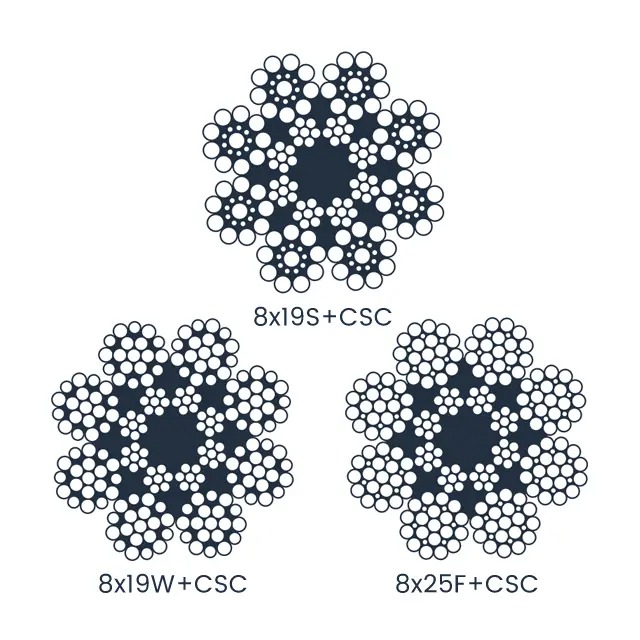
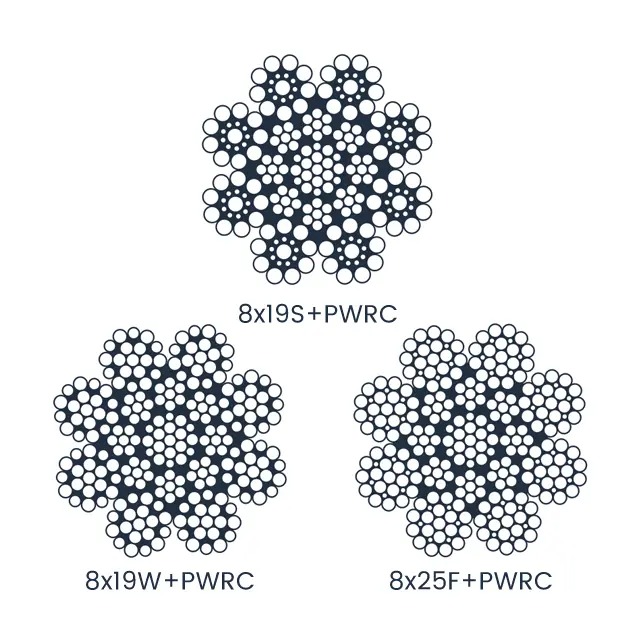
Not all elevator steel wire rope performs the same in real applications. Variations in structure, diameter, coating, and strength level directly influence both pricing and long-term performance. Choosing the right configuration helps balance upfront cost and durability, especially in demanding elevator systems.
Below is a simplified comparison of common rope types and their performance characteristics:
Rope Type | Key Features | Typical Application | Cost Level | Performance Benefit |
Standard Round Strand | Basic construction, widely used | Low to medium-rise elevators | Low | Reliable, cost-effective |
Compacted Strand Rope | Higher density, smoother surface | High-load, high-rise systems | Medium-High | Better wear resistance, longer life |
Non-Rotating Rope | Reduced torsion and twisting | Complex or high-speed elevators | High | Improved stability and safety |
Coated Steel Wire Rope | PVC/PU or similar protective coating | Corrosive or special environments | Medium | Enhanced durability, corrosion resistance |
Manufacturers like Fengying offer flexible configurations across these types. Their ability to customize rope structures based on elevator system demands ensures better compatibility. This helps reduce wear, improve efficiency, and support longer service intervals.
Labor and installation complexity
Labor costs vary depending on the elevator system and building layout. A simple low-rise installation is far less complex than a high-rise or machine-room-less (MRL) system. In complex setups, technicians must work in confined spaces or handle longer rope lengths, which increases installation time.
In addition, safety procedures and equipment requirements can raise labor costs further. Skilled technicians are essential for proper installation, and their expertise directly affects rope performance and lifespan.
Additional components and system compatibility
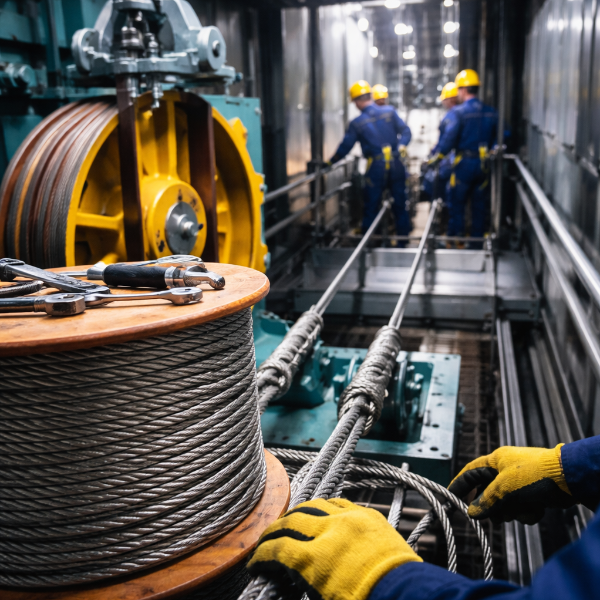
Replacing elevator steel wire rope often requires evaluating related components, especially the traction sheave. If the sheave shows uneven wear, installing new ropes without addressing it may lead to premature damage.
In many cases, combining rope replacement with sheave refurbishment improves system efficiency and reduces future maintenance costs. Although this increases the initial expense, it often delivers better long-term value.
Compliance and safety standards in 2026
Regulations continue to evolve, especially in Europe and North America. Standards such as EN 81 and ASME codes require strict compliance, which affects both manufacturing and installation processes.
Environmental requirements, including material safety and coatings, also contribute to higher production costs. As a result, compliance is no longer optional—it is a built-in part of the total replacement cost.
Elevator Steel Wire Rope Cost Breakdown
Material cost versus total replacement cost
Many buyers focus on rope price only. In reality, it forms just part of total cost. Installation, testing, and downtime contribute significantly.
We can divide total cost into several categories:
Cost Element | Description |
Rope Material | Steel grade, length, and construction |
Labor | Installation time and technician expertise |
Equipment | Tools and lifting systems |
Downtime Impact | Loss of elevator operation |
Testing & Safety | Final inspection and compliance checks |
Looking at the full picture helps avoid underestimating expenses.
Cost per system and project scope
Costs vary depending on the scale of the project. Replacing a single rope is relatively inexpensive, but most elevators require replacing the entire rope set to maintain balance and safety.
Large modernization projects often include rope replacement along with control system upgrades or energy efficiency improvements. These bundled projects may seem costly but often deliver better long-term returns.
Integrated maintenance and upgrades
Combining rope replacement with other maintenance activities can improve system reliability. Adjusting rope tension, aligning components, and servicing sheaves at the same time helps extend service life. This integrated approach reduces the risk of uneven wear and unexpected failures. Over time, it leads to fewer interventions and more predictable maintenance costs.
Tip: Plan rope replacement alongside scheduled maintenance to reduce downtime and avoid repeated labor costs.
When to Replace Elevator Steel Wire Rope
Key wear indicators to monitor
Elevator steel wire rope shows clear signs when replacement is needed. These include visible diameter reduction, broken wires, and signs of internal corrosion. Ignoring these signals can lead to sudden failures and higher repair costs.
Routine inspections help identify these issues early. By acting at the right time, building owners can avoid emergency replacements, which are typically more expensive and disruptive.
Typical service life expectations
In most commercial environments, elevator steel wire rope lasts between several years, depending on usage and maintenance quality. High-traffic buildings experience faster wear due to frequent operation cycles.
Maintenance practices play a crucial role. Proper lubrication, cleaning, and tension control can extend service life significantly. Without these measures, ropes may need replacement much sooner than expected.
How System Design and Installation Affect Costs
High-demand elevator systems
Modern elevators often operate under demanding conditions, including higher loads and faster speeds. These factors increase stress on the rope, leading to faster wear.
High-rise buildings, in particular, require ropes that can handle long travel distances and heavy loads. Using standard rope designs in such systems may result in shorter service life and higher replacement frequency.
Installation quality and rope handling
Installation plays a critical role in rope performance. Improper handling, such as introducing twist or torsion during installation, can reduce rope lifespan dramatically. Even small errors during installation can lead to uneven wear patterns. This often results in early replacement and increased costs.
Rope tension balance
Maintaining equal tension across all ropes is essential for smooth operation. Uneven tension causes some ropes to carry more load than others, accelerating wear.
Accurate tensioning tools and regular checks help maintain balance. This simple step can significantly extend rope life and reduce replacement frequency.
Matching rope design to system needs
Selecting the right rope design is key to optimizing performance. High-performance systems require ropes that can handle increased stress and bending cycles.
Experienced suppliers like Fengying, with decades of industry knowledge, can recommend the most suitable rope type. This ensures better compatibility and longer service life.
How to Reduce Elevator Steel Wire Rope Replacement Costs
Preventive maintenance strategies
Preventive maintenance is one of the most effective ways to reduce costs. Regular lubrication prevents internal corrosion, while cleaning removes debris that can damage the rope.
Consistent inspections allow technicians to detect early signs of wear. This helps extend the rope’s lifespan and avoid unexpected failures.
Planned replacement versus emergency repairs
Planned replacements are always more cost-effective than emergency repairs. When a rope fails unexpectedly, it often leads to downtime, urgent labor, and higher service fees.
By scheduling replacements based on inspection data, building owners can control costs and minimize disruption.
Supplier selection based on total value
Choosing a supplier based solely on price can lead to higher long-term costs. Quality, consistency, and technical support are equally important.
Manufacturers like Fengying offer durable, wear-resistant elevator steel wire rope designed for long-term performance. Investing in reliable products reduces replacement frequency and improves system reliability.
Note: Lower upfront cost does not always mean lower total cost—focus on lifespan and performance.
Market Trends Shaping Elevator Steel Wire Rope Costs
Growth driven by urbanization and modernization
Urbanization continues to drive demand for elevators, especially in high-rise buildings. As cities grow vertically, the need for reliable elevator systems increases.
At the same time, many existing elevators are reaching the end of their service life. This creates a strong demand for modernization projects, including rope replacement.
Emerging technologies and smart monitoring
Elevator maintenance is becoming more data-driven and precise. New technologies now allow real-time tracking of elevator steel wire rope condition. This shift helps operators move from reactive repairs to predictive maintenance, improving both safety and cost control.
The table below outlines key smart monitoring features and their impact on maintenance:
Technology Feature | What It Monitors | How It Works | Key Benefit |
Tension Monitoring | Rope load balance | Sensors measure tension differences | Prevents uneven wear |
Wear Detection | Surface wear and diameter loss | Continuous measurement via sensors | Early fault detection |
Elongation Tracking | Rope stretch over time | Tracks length changes during operation | Improves replacement timing |
Vibration Analysis | System movement patterns | Detects abnormal vibration signals | Identifies hidden system issues |
Real-time Data Systems | Overall rope performance | Sends live data to monitoring platforms | Enables predictive maintenance |
By using these technologies, operators can replace ropes at the right moment. This reduces unexpected failures and avoids unnecessary early replacement. Over time, it leads to more stable performance and better cost efficiency.
How to Budget for Elevator Steel Wire Rope Replacement
Key considerations before requesting quotes
Accurate budgeting starts with understanding your elevator system. Key factors include rope type, diameter, usage frequency, and current condition.
It is also important to assess whether related components, such as sheaves, need servicing. Providing this information helps suppliers offer more accurate quotes.
Building a practical cost framework
A well-structured budget should include all cost elements, not just materials. The table below provides a simple framework:
Cost Component | Description |
Material | Rope type, length, and specifications |
Labor | Installation complexity and time |
Downtime | Operational impact during replacement |
Compliance | Safety and regulatory requirements |
Maintenance | Ongoing care and inspection costs |
This approach helps building owners plan more effectively and avoid unexpected expenses.
Conclusion
Elevator steel wire rope replacement costs in 2026 depend on several key factors. These include material prices, system design, installation quality, and maintenance planning. Focusing only on the initial price often leads to higher long-term expenses and more frequent replacements.
By understanding these cost drivers, we can make better decisions and plan more effectively. Proper installation, regular maintenance, and correct rope selection help extend service life and reduce overall costs. A proactive approach always delivers more stable performance and fewer unexpected issues. Working with reliable suppliers also makes a difference. Jiangsu Fengying New Material Technology Co., Ltd. provides high-strength, wear-resistant elevator steel wire rope solutions. Their products support durability, safety, and long-term value, helping users achieve more predictable costs and efficient elevator operation.
FAQ
Q: What affects elevator steel wire rope replacement costs in 2026?
A: The main cost drivers include steel prices, rope specifications, installation difficulty, safety compliance, and the condition of related parts such as traction sheaves. Labor and downtime also affect the final total.
Q: How much does elevator steel wire rope replacement usually cost?
A: There is no single fixed price. Elevator steel wire rope replacement cost depends on rope length, diameter, construction, building type, and whether other components need service at the same time.
Q: Why do elevator steel wire rope prices vary so much between projects?
A: Prices vary because elevators do not operate under the same conditions. High-rise systems, MRL elevators, and high-traffic buildings often require stronger ropes, more labor, and more careful installation.
Q: How can I reduce elevator steel wire rope replacement costs?
A: You can reduce elevator steel wire rope costs through regular inspections, proper lubrication, balanced tension, and planned replacement before failure. This helps avoid emergency repairs and repeated labor charges.
Q: When should elevator steel wire rope be replaced?
A: It should be replaced when there is visible wear, broken wires, corrosion, or diameter reduction. In commercial use, service life often depends on traffic level and maintenance quality.
Q: Is it better to replace only the rope or inspect other parts too?
A: It is usually better to inspect related parts as well. If the traction sheave is worn, it may damage the new rope and shorten its service life, which increases long-term cost.


