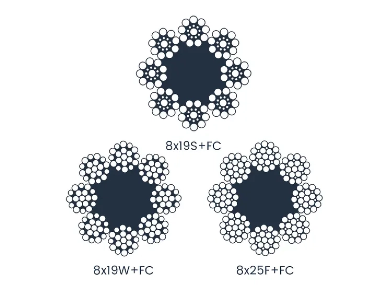
Elevators are a common feature in buildings worldwide, and they play a crucial role in ensuring smooth vertical transportation. Whether it's a high-rise apartment complex, a commercial building, or an industrial facility, elevators rely on various components to operate safely and efficiently. Among these components, the elevator steel wire rope plays an essential role in lifting the elevator cabin and supporting its weight.
Steel wire ropes are used in elevator systems due to their strength, durability, and reliability. However, to ensure the elevator operates safely and efficiently over time, it is crucial to maintain the steel wire ropes properly. Neglecting maintenance can lead to wear and tear, performance issues, and even safety hazards. In this article, we will provide a comprehensive guide on how to maintain elevator steel wire ropes effectively.
1. Understanding Elevator Steel Wire Rope
Before diving into maintenance practices, it’s important to understand the basic structure and function of elevator steel wire ropes. Elevator steel wire ropes are typically made of several strands of steel wires twisted together to form a rope. These ropes are then used to lift and lower the elevator cabin by passing through pulleys that are part of the elevator's mechanical system.
The ropes are designed to handle high loads and perform under tension. They must withstand the constant stresses of lifting, lowering, and supporting the weight of the cabin and its passengers. As a result, maintaining the integrity and functionality of these ropes is essential for the safety and reliability of the elevator system.
2. Importance of Elevator Steel Wire Rope Maintenance
Regular maintenance of elevator steel wire ropes is crucial for several reasons:
Safety: The primary role of steel wire ropes in elevators is to safely carry passengers and cargo between floors. Well-maintained ropes prevent accidents caused by rope failure, which could lead to severe injuries or fatalities.
Reliability: Regular inspection and maintenance ensure that the elevator operates smoothly without unexpected breakdowns. This helps reduce costly repairs and downtime.
Longevity: Proper maintenance can extend the lifespan of steel wire ropes. Replacing ropes prematurely due to neglect can be expensive and inconvenient.
Efficiency: Well-maintained ropes contribute to smoother elevator operation, reducing energy consumption and wear on other parts of the elevator system.
3. Basic Maintenance Practices for Elevator Steel Wire Ropes
3.1. Regular Inspection
One of the most important aspects of maintaining elevator steel wire ropes is regular inspection. Inspections should be conducted by trained professionals who know what to look for in terms of wear, corrosion, or damage.
During inspections, check for the following:
Wire Breakage: Look for any broken or frayed wires in the rope. Even a small number of broken wires can reduce the strength of the rope significantly.
Corrosion: Examine the rope for signs of rust or corrosion, which can weaken the steel and compromise the rope’s strength. Corrosion can occur due to exposure to moisture, humidity, or chemical agents.
Wear and Abrasions: Inspect the surface of the wire rope for any signs of abrasion or excessive wear. This can happen when the rope rubs against rough surfaces, which can lead to premature failure.
Stretching and Elongation: Over time, steel wire ropes can stretch due to prolonged use, leading to a loss of tension. Measure the rope’s length and compare it with the original specifications to detect any elongation.
3.2. Lubrication
Proper lubrication is essential for the smooth operation and longevity of elevator steel wire ropes. Lubricating the ropes reduces friction between the individual wires, which minimizes wear and prevents excessive heat buildup. It also helps protect the rope from moisture and corrosion.
Lubrication Frequency: Depending on the environment and usage, steel wire ropes should be lubricated regularly, typically every 6 months to a year. In harsh environments, such as high humidity or industrial settings, lubrication may be needed more frequently.
Types of Lubricants: Use high-quality lubricants that are specifically designed for steel wire ropes. These lubricants should provide rust protection, reduce friction, and penetrate deep into the rope to reach the core wires.
Lubrication Method: Lubricate the ropes using a spray or brush to ensure an even distribution. Make sure to apply the lubricant to the entire length of the rope, especially where the ropes pass through pulleys and sheaves.
3.3. Tension Adjustment
Maintaining the correct tension in elevator steel wire ropes is crucial for proper functioning. If the ropes are too tight or too loose, it can lead to problems like rope slippage, excessive wear, or even failure. Tension should be checked regularly and adjusted as necessary.
Tension Measurement: Use a tension gauge to check the rope’s tension. The tension should be consistent across all ropes, and they should be adjusted to the manufacturer’s specifications.
Tensioning Devices: Some elevator systems have tensioning devices built into the system, which automatically adjust the tension. If the system does not have an automatic tensioning feature, maintenance personnel must manually adjust the tension using a winch or other mechanical devices.
3.4. Replacing Worn or Damaged Ropes
Even with proper maintenance, steel wire ropes will eventually wear out and need to be replaced. Replacement of steel wire ropes should be done immediately when any significant damage or wear is detected during inspections.
Replacement Schedule: In general, steel wire ropes should be replaced every 5 to 7 years, depending on usage and maintenance. However, this can vary based on the rope’s condition, as indicated by regular inspections.
Signs of Damage: Replace ropes immediately if there are signs of extensive wire breakage, significant elongation, or severe corrosion. Failing to replace a damaged rope can lead to elevator malfunction or safety hazards.
3.5. Cleanliness and Protection
Keeping the elevator steel wire ropes clean is vital for preventing premature wear and damage. Dirt, dust, and debris can build up on the ropes over time, causing abrasion and reducing their lifespan.
Cleaning Method: Use a soft cloth or brush to gently clean the surface of the ropes. Avoid using abrasive materials that could scratch or damage the wires. Additionally, ensure that the ropes are not exposed to harsh chemicals or cleaners that could corrode the metal.
Protective Coatings: Some steel wire ropes come with a protective coating or galvanized finish to protect them from corrosion. If the ropes are uncoated, consider applying a protective coating or wrapping them in protective sleeves to prevent damage from harsh environments.
4. Advanced Maintenance Practices
While the basic maintenance practices mentioned above are essential, there are also more advanced practices that can help ensure the longevity of your elevator’s steel wire ropes.
4.1. Non-Destructive Testing (NDT)
Non-destructive testing (NDT) is a technique used to detect internal damage or weaknesses in the wire rope without cutting or damaging it. Common NDT methods for elevator steel wire ropes include ultrasonic testing, magnetic particle testing, and eddy current testing.
Ultrasonic Testing: This method uses sound waves to detect cracks or weaknesses in the wire rope’s internal structure. It can detect corrosion or fractures that are not visible on the surface.
Magnetic Particle Testing: This technique uses a magnetic field to identify cracks or defects in the rope. It's particularly useful for detecting surface damage or fractures that might compromise the rope's strength.
NDT should be performed periodically by trained professionals to identify potential issues before they lead to failures.
4.2. Inspection of Supporting Components
While maintaining the steel wire ropes themselves is crucial, it’s also important to inspect the supporting components of the elevator system, such as pulleys, sheaves, and hoists.
Pulley and Sheave Inspection: Check the pulleys and sheaves for wear and ensure that they are in good condition. Worn pulleys or sheaves can cause excessive wear on the wire ropes and lead to damage. They should be cleaned and lubricated regularly, and any grooves or damages should be addressed.
Hoisting Mechanisms: Ensure that the hoisting mechanism is properly aligned and functioning smoothly. Misalignment can cause uneven tension on the ropes, leading to premature wear or failure.
5. Conclusion
Proper maintenance of elevator steel wire ropes is essential for ensuring the safety, reliability, and efficiency of the elevator system. Regular inspections, lubrication, tension adjustments, and prompt replacement of damaged ropes can help prevent failures and extend the lifespan of the ropes.
Maintaining these ropes is not just about keeping the elevator operational; it’s also about ensuring the safety of those who use it. The strength and durability of steel wire ropes make them ideal for elevator systems, but without proper care and attention, they can become a potential safety hazard.
For long-lasting and efficient performance, regular maintenance is key. By adhering to a thorough maintenance schedule and implementing both basic and advanced maintenance practices, you can ensure that your elevator steel wire ropes remain in optimal condition, providing safe and reliable service for years to come.


