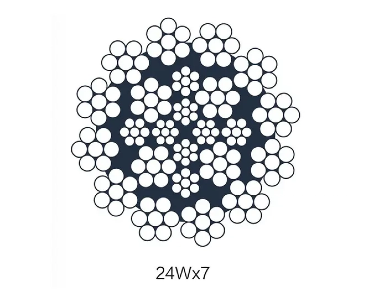
In the world of heavy lifting, whether it’s in construction, mining, shipping, or manufacturing, the role of high-quality steel wire ropes cannot be overstated. These ropes are essential for carrying heavy loads, securing equipment, and ensuring that machinery operates safely and efficiently. Among the different types of steel wire ropes, non-rotating steel wire ropes are increasingly being used in heavy lifting operations for their superior performance in handling high loads without twisting or rotating.
In this article, we will explore non-rotating steel wire ropes, their characteristics, how they differ from other ropes, and why they are crucial in heavy lifting applications. We’ll also discuss the advantages of using these ropes in various industries, the factors to consider when choosing the right non-rotating rope, and maintenance tips to ensure the longevity and reliability of these vital components in heavy lifting operations.
1. What is Non-Rotating Steel Wire Rope?
1.1. Definition and Basic Structure
Non-rotating steel wire ropes are specially designed ropes that are engineered to prevent rotation under load. Unlike regular steel wire ropes, which can twist or spin as they carry heavy loads, non-rotating steel wire ropes are constructed in a way that the forces acting on the rope do not result in the twisting or rotation of the strands. This is crucial for maintaining stability and control during lifting operations.
Non-rotating ropes are typically made from multiple layers of wires and strands that are designed in a particular pattern to prevent rotation. They often consist of two opposite lay constructions—left-hand lay and right-hand lay—which cancel out the natural twisting forces, resulting in a rope that remains stable even under high loads.
1.2. How Non-Rotating Ropes Work
The unique construction of non-rotating steel wire ropes is achieved by twisting the individual strands in opposing directions. This twisting design neutralizes any rotational tendencies when the rope is under tension, keeping the rope straight and stable.
Strand Configuration: The ropes typically feature a 6x36 or 6x19 strand construction, where six strands are wound around a central core, with each strand made up of several individual wires. The strands are wound in opposite directions to counteract the natural twisting forces that occur during lifting operations.
Load Distribution: Non-rotating ropes are designed to distribute the lifting load evenly across the strands, preventing undue pressure on any single wire. This even load distribution contributes to the rope’s strength, durability, and performance in heavy lifting tasks.
2. Importance of Non-Rotating Steel Wire Rope in Heavy Lifting
Heavy lifting operations involve moving massive weights, often under high tension, which requires equipment that can handle the load safely and reliably. Non-rotating steel wire ropes are ideal for these tasks because they offer several key advantages that enhance performance and safety.
2.1. Preventing Rope Twisting
In traditional steel wire ropes, the twisting of the rope can lead to significant problems, including:
Loss of Load Control: Twisting can cause the rope to behave unpredictably, making it difficult to control the load being lifted.
Uneven Load Distribution: If the rope twists, it can place excessive stress on certain strands, leading to premature wear and potential failure.
Operational Instability: Twisted ropes can cause lifting equipment to become unstable, resulting in unsafe operating conditions.
Non-rotating steel wire ropes are designed to prevent these issues by maintaining their shape and preventing twisting, which results in more stable lifting operations. This is particularly important in industries where the safety of workers and the integrity of equipment are top priorities.
2.2. Increased Safety in High-Risk Environments
In heavy lifting applications, safety is always a top concern. The last thing operators want is for the lifting rope to fail during an operation. Non-rotating ropes offer enhanced safety by eliminating the risk of rope twisting, which can result in rope breakage or damage to the lifting equipment.
Safer Lifting Operations: By maintaining stability, non-rotating ropes reduce the chances of accidents and injuries caused by unexpected rope movement.
Preventing Equipment Damage: The stability of non-rotating ropes also reduces the risk of damage to cranes, winches, and other heavy lifting equipment, ensuring that the machinery continues to function effectively over time.
2.3. Longer Lifespan
Non-rotating steel wire ropes have a longer operational lifespan compared to their rotating counterparts. The lack of twisting reduces the wear and tear that occurs on the rope, allowing it to maintain its strength and flexibility over time. This means that heavy lifting operations can continue smoothly without the need for frequent rope replacements.
Durability: Non-rotating ropes are built to withstand the harsh conditions of lifting heavy loads, including exposure to high friction, wear, and the elements. The stability of the rope helps preserve its integrity even in demanding environments.
Cost-Effectiveness: A longer lifespan translates to fewer replacements, reducing overall costs in terms of both material and labor.
2.4. Enhanced Load Control and Precision
When performing heavy lifting operations, controlling the load precisely is crucial, especially when moving delicate or valuable items. Non-rotating ropes allow operators to control the load more effectively because the ropes stay aligned and stable, preventing any twisting that could affect the positioning of the load.
Precise Positioning: Non-rotating ropes allow for smooth and controlled lifts, ensuring that the load stays in place throughout the operation. This is especially important in construction, shipping, and mining, where precision is critical.
Reduced Slippage: The stability of the rope reduces the chances of slippage, which could cause accidents or damage to the load.
3. Applications of Non-Rotating Steel Wire Rope in Heavy Lifting
Non-rotating steel wire ropes are widely used in several industries, where their ability to prevent twisting and ensure stability under load makes them an ideal choice for heavy lifting operations.
3.1. Construction Industry
The construction industry involves the lifting of heavy materials, equipment, and structures. Non-rotating steel wire ropes are frequently used in cranes and hoisting systems to move construction materials like steel beams, concrete slabs, and heavy machinery.
Cranes: Non-rotating ropes are often used in tower cranes, mobile cranes, and other hoisting equipment due to their stability and ability to safely lift heavy loads.
Material Handling: In large-scale construction sites, these ropes are used in material handling systems, ensuring that materials are lifted and moved safely and efficiently.
3.2. Mining Industry
In the mining industry, non-rotating steel wire ropes are essential for hoisting materials and equipment from underground mines. The ropes are used in winches, elevators, and drilling rigs, where stability is crucial.
Elevators and Lifts: Non-rotating ropes are used in mine elevators to safely move miners and materials between levels. The stability of the ropes ensures smooth and efficient operation in harsh mining environments.
Hoisting Systems: These ropes are also used in hoisting systems to lift heavy ores, minerals, and equipment. The ability to prevent twisting ensures that the hoisting system functions effectively and safely.
3.3. Marine and Offshore Operations
Steel wire ropes are extensively used in marine operations, such as ship rigging, mooring systems, and offshore drilling. In these settings, non-rotating steel wire ropes are used to withstand high tension and prevent twisting, which could destabilize the rigging or other systems.
Offshore Platforms: Non-rotating ropes are essential for hoisting heavy equipment and supplies on offshore drilling rigs. The ropes’ resistance to twisting ensures that the loads are securely lifted and lowered in harsh offshore conditions.
Mooring Systems: In marine environments, non-rotating ropes are used in mooring systems to secure ships, preventing any unwanted movement caused by twisting or instability in the ropes.
3.4. Shipping and Logistics
In shipping and logistics, non-rotating steel wire ropes are used for lifting and securing cargo. They are especially important in container handling and crane operations at ports, where precision and reliability are essential.
Cargo Handling: Non-rotating ropes are used in port cranes and container handlers to lift and move cargo containers, ensuring smooth, efficient, and safe operations.
Ship Rigging: In ships, non-rotating ropes are used for rigging purposes, ensuring the vessel remains stable and securely anchored.
4. How to Choose the Right Non-Rotating Steel Wire Rope
When selecting a non-rotating steel wire rope for heavy lifting, there are several factors to consider:
4.1. Load Capacity
Ensure the rope you choose is rated for the weight of the loads it will be carrying. The load capacity is typically determined by the rope’s diameter, construction, and material.
4.2. Diameter and Construction
Non-rotating ropes come in various diameters and constructions. Choose a rope with the right diameter and construction (such as 6x36 or 6x19) for the specific lifting needs of your operation.
4.3. Corrosion Resistance
If the rope will be exposed to harsh environments (e.g., marine or offshore applications), consider selecting a rope with corrosion-resistant coatings, such as galvanization or stainless steel, to extend its lifespan.
4.4. Flexibility and Handling
Consider the rope’s flexibility based on how often it will be used. For systems that require frequent handling or movement, choose a rope that offers good flexibility and easy installation.
5. Maintenance and Care of Non-Rotating Steel Wire Ropes
To ensure the longevity and reliability of non-rotating steel wire ropes, regular maintenance is crucial. This includes:
Regular Inspections: Inspect ropes for signs of wear, corrosion, or damage. Look for broken wires or strands, which may indicate the need for replacement.
Lubrication: Regularly lubricate the ropes to reduce friction and prevent wear. This also helps protect against corrosion and ensures smooth movement.
Tension Checks: Ensure the ropes maintain the proper tension for optimal performance and safety.
6. Conclusion
Non-rotating steel wire ropes are an essential component in heavy lifting operations across a wide range of industries. Their ability to prevent twisting and maintain stability under heavy loads ensures that they are safe, reliable, and efficient for tasks such as hoisting, lifting, and securing heavy materials and equipment.
By understanding the key advantages, applications, and maintenance practices for non-rotating steel wire ropes, operators can make informed decisions to enhance the safety and efficiency of their heavy lifting systems. Whether you're in construction, mining, marine operations, or shipping, non-rotating steel wire ropes provide a secure, reliable solution for demanding lifting tasks.
For businesses looking to invest in high-quality non-rotating steel wire ropes, Jiangsu Fengying New Material Technology Co., Ltd. offers a range of products designed to meet the highest standards of safety and performance. Their commitment to quality and reliability makes them a trusted partner in the heavy lifting industry.


