Introduction
Have you ever tried to cut steel cable and ended up with a messy result? Many people expect a quick cut, but instead get frayed ends or uneven shapes. These problems often come from using the wrong tools or skipping simple preparation steps.
Steel cable is strong and flexible, which makes it harder to cut than regular wire. A clean cut is not just about looks. It helps the cable fit properly into clamps, sleeves, or connectors. It also improves safety during use. In this article, we will explore how to cut steel cable the right way. You will learn practical methods, tool choices, and simple tips to get clean, reliable results every time.
How to Cut Steel Cable Cleanly from Start to Finish
Check the Steel Cable Before You Cut
Before cutting, take a moment to inspect the steel cable. Look at its diameter, strand construction, and material type. A thin 1/16-inch cable behaves very differently from a thick 3/8-inch wire rope.
Multi-strand cables, especially those with tighter twists, can spring apart if not handled correctly. Stainless steel cable, for example, has a natural elasticity that makes it more likely to expand when cut.
By understanding these characteristics, you can choose the right cutting method. This step prevents wasted material and ensures a cleaner outcome.
Mark and Wrap the Cut Point to Reduce Fraying
Accurate marking improves every step that follows. Use a visible marker and measure twice before cutting. After marking, wrap the cutting area tightly using tape. This keeps strands grouped together and reduces spreading during the cut.
● Wrap at least two layers of tape
● Keep it tight and centered
● Cut through the middle of the wrapped area
This simple method stabilizes the cable and creates a cleaner edge. It works well for both small and medium steel cable.
Secure the Steel Cable Before Cutting
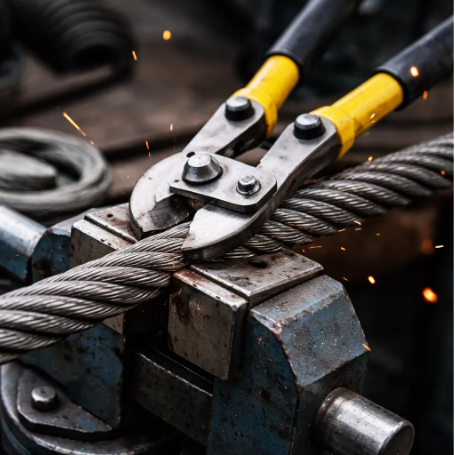
Stability is key. Always secure the steel cable using a vise, clamp, or similar tool. This prevents movement during cutting, which can lead to uneven edges or tool slippage.
A fixed cable allows you to apply steady force. It also improves safety by keeping your hands away from the cutting area.
If a vise is not available, even a temporary clamp setup can help maintain control and improve accuracy.
Cut with Steady Pressure and the Right Tool Angle
Once everything is set, apply firm and steady pressure. Avoid sudden force or twisting motions, as these can distort the cable.
Keep the cutting tool aligned perpendicular to the cable. This ensures a straight cut and prevents angled ends, which can cause problems during installation.
When using power tools like an angle grinder, maintain a smooth, controlled motion. Let the tool do the work instead of forcing it through the material.
Finish the Cut End for a Cleaner Result
After cutting, inspect the end of the steel cable. A clean cut should show tightly grouped strands with minimal separation.
If needed, install a ferrule, crimp sleeve, or end cap. These components keep the cable intact and make it easier to insert into hardware.
Finishing the cut properly improves durability and gives the cable a more professional appearance.
Tip: For projects that require frequent assembly, finishing the cable ends immediately after cutting can save time later.
Best Tools for Cutting Steel Cable
Use Wire Rope Cutters for Small Steel Cable
Wire rope cutters are the preferred tool for small-diameter steel cable. They are designed with curved blades that grip and slice through the cable cleanly.
Unlike standard pliers, these cutters apply even pressure across the strands. This reduces crushing and helps maintain the cable’s structure.
They are ideal for light-duty applications such as home repairs, DIY projects, and small installations.
Use Abrasive Cutting Tools for Thicker Steel Cable
For thicker or high-strength steel cable, manual tools may not be enough. In these cases, abrasive tools like angle grinders or cut-off saws are more effective.
These tools use high-speed rotating discs to cut through metal quickly. They produce smoother cuts and require less physical effort.
However, they also generate heat and sparks, so proper safety precautions are necessary.
Choose Press Cutters or Powered Machines for Repeat Work
For repeated cutting, manual tools become inefficient. Powered machines provide consistent results and reduce physical effort. They also improve accuracy across multiple cuts.
Tool Type | Best Use Case | Key Benefit |
Wire Rope Cutter | Small diameter cable | Clean manual cuts |
Angle Grinder | Thick steel cable | Fast and smooth cutting |
Press Cutter | Batch processing | High consistency |
Hydraulic Cutter | Industrial applications | Strong cutting force |
These tools help maintain uniform results, especially in production environments.
Consider Fuse Cutting for the Cleanest Steel Cable Ends
Fuse cutting uses heat or electrical current to cut and seal the cable at the same time. This method prevents fraying by bonding the strands together.
It is widely used in industrial settings and by manufacturers like Fengying, who focus on producing high-quality, ready-to-use cable products.
While not always available for DIY use, it is an excellent option for applications requiring perfectly sealed ends.
Choosing the Right Cutting Method for Different Steel Cable Types
How to Cut Stainless Steel Cable Effectively
Stainless steel cable is known for its strength and flexibility. These properties make it more challenging to cut.
Because it tends to spring back into shape, the strands may separate if not properly secured. Using sharp tools and proper preparation is essential.
In many cases, heat-based methods or high-quality cutters provide better results for stainless steel cable.
How Galvanized Steel Cable May Need a Different Approach
Galvanized steel cable includes a zinc coating that improves durability and corrosion resistance. This extra layer slightly changes how the cable reacts during cutting. Because of this, we need to choose tools and methods more carefully to keep the structure intact and achieve a clean edge.
Aspect | Description | Recommended Approach |
Surface Coating | Zinc layer protects the steel cable from corrosion | Avoid excessive force that may damage coating |
Cutting Behavior | Slightly different resistance compared to bare steel | Use steady pressure and controlled motion |
Tool Selection | Not all tools perform equally on coated cable | Choose abrasive tools or specialized cutters |
Edge Quality | Rough edges can affect handling and installation | Aim for a smooth, even cut surface |
Post-Cut Handling | Clean edges make installation easier | Inspect and finish ends if needed |
Match the Cut Quality to the Final Application
Not every cut needs the same level of precision. Some steel cables are used for basic support, while others must fit precisely into connectors or fittings.
If the cable will be inserted into tight components, a clean and compact end is essential. In these cases, higher-quality cable—such as coated or galvanized options from Fengying—can provide more predictable results.
Choosing the right method based on the final use helps avoid unnecessary adjustments later.
How to Prevent Steel Cable from Fraying
Combine Tape, Firm Support, and a Sharp Cutting Edge
Preventing fraying starts before the cut. Using tape, securing the cable, and selecting a sharp tool all work together.
Each step reinforces the others. Skipping one can reduce the overall quality of the cut.
This combination approach ensures the strands stay tightly bound during cutting.
Keep the Strands Aligned During the Cut
Alignment matters. Twisting or bending the cable while cutting can cause uneven separation.
Keep the cable straight and stable throughout the process. This helps maintain its original structure and improves the final appearance.
Proper alignment also makes it easier to connect the cable to other components.
Protect the Cut End Right After Cutting
After cutting, the cable end becomes vulnerable. Applying a cap or sleeve helps maintain its shape. This step protects it from handling damage and keeps strands tight.
● Use caps for transport
● Apply sleeves for installation
● Store properly after cutting
Note: Immediate protection helps maintain quality during storage and handling.
Common Mistakes to Avoid When Cutting Steel Cable
When cutting steel cable, small mistakes can quickly lead to poor results or safety risks. Many issues come from incorrect tool use, lack of preparation, or ignoring basic protection. Understanding these common problems helps improve both cutting quality and overall safety.
Mistake | What Happens | Better Practice |
Using the wrong cutter | Tools like scissors or light cutters crush instead of cleanly cutting cable | Use proper wire rope cutters or suitable power tools |
Not securing the cable | Cable moves during cutting, causing uneven edges and tool strain | Fix the cable in a vise or clamp before cutting |
Skipping safety gear | Exposure to sharp edges, debris, or sparks increases injury risk | Wear gloves and safety glasses during all cutting |
Avoiding these mistakes helps maintain a clean cut and protects both the cable and the user. A careful setup and the right tools make the entire cutting process smoother and more reliable.
When to Cut Steel Cable Yourself and When to Use a Professional Service
Scenario | Best Choice |
Small, simple jobs | DIY cutting |
Large, precise jobs | Professional |
Handle Simple Steel Cable Cutting Jobs Yourself
For small projects or occasional use, cutting steel cable at home is practical and efficient. With the right tools and proper preparation, good results are achievable without much difficulty. This approach works well for light-duty tasks, quick repairs, and simple installations where high precision is not critical.
Use Professional Cutting Services for Precision Work
For large projects or high-precision requirements, professional services are often the better choice. They use advanced equipment and controlled processes to ensure consistent and accurate results across every cut. This becomes especially important when producing multiple pieces with exact specifications or tight tolerances.
Conclusion
Cutting steel cable requires more than simple force or basic tools. It involves proper preparation, careful handling, and a clear understanding of the cable structure. When we choose the right method based on cable type and use, we achieve cleaner cuts and more reliable performance in real applications.
Whether for small repairs or larger projects, following the correct process helps improve efficiency and safety. High-quality products also make a difference. Steel cable from Jiangsu Fengying New Material Technology Co., Ltd. offers strong construction, stable performance, and consistent results during cutting. Their wide product range and professional manufacturing experience help users achieve better outcomes and long-term value in various applications.
FAQ
Q: What is the best tool to cut steel cable cleanly?
A: The best tool depends on the cable size. For small steel cable, wire rope cutters usually give the cleanest result. For thicker cable, an angle grinder or cut-off saw works better.
Q: How do you cut steel cable without fraying it?
A: To cut steel cable without fraying, mark the spot first, wrap it tightly with tape, and secure it in a vise. Then use a sharp, suitable cutter and finish the end with a cap or ferrule if needed.
Q: Why does steel cable fray after cutting?
A: Steel cable frays when the strands separate during cutting. This often happens when the wrong tool is used, the cable is not secured, or the cut area is not wrapped before cutting.
Q: Can I cut steel cable at home?
A: Yes, you can cut steel cable at home for small jobs. You just need the right tool, proper safety gear, and a stable setup to keep the cut clean and safe.
Q: Is fuse cutting better than mechanical cutting for steel cable?
A: Fuse cutting is better when you need sealed, non-frayed ends. Mechanical cutting is still a practical option for many jobs, especially when speed and tool access matter more.
Q: How much does it cost to cut steel cable professionally?
A: The cost depends on cable size, quantity, and the cutting method. Professional cutting often costs more than DIY, but it can save time and deliver more consistent results for larger orders.


