In the realm of industrial applications, wire ropes play a pivotal role due to their strength, flexibility, and durability. Among the various types of wire ropes, the 3/16 wire rope stands out for its specific utility in a range of sectors. Understanding how much weight a 3/16 wire rope can hold is crucial for ensuring safety and efficiency in operations. This article delves into the factors affecting the load-bearing capacity of 3/16 wire ropes, examining the materials used, the construction of the ropes, and the applications where they are most effectively employed. For those interested in exploring the diverse applications of wire ropes, the industrial wire rope sector offers a wealth of insights.
Understanding Wire Rope Construction
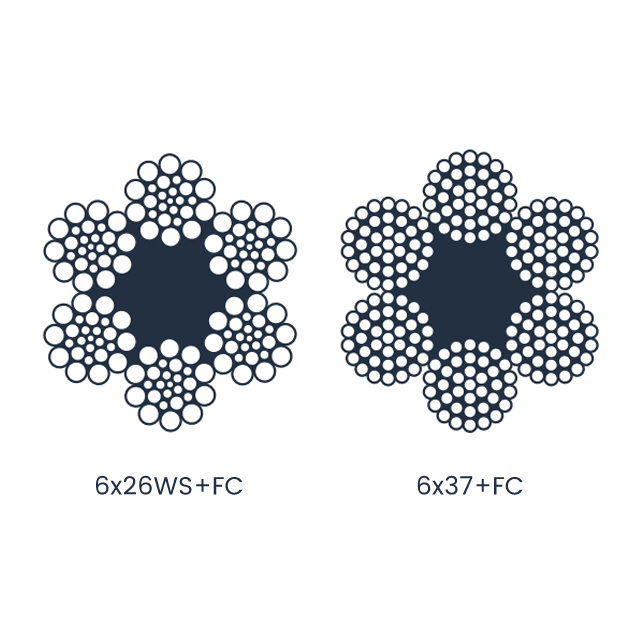
Wire ropes are complex structures made up of several strands of wire twisted together. The construction of a wire rope is critical in determining its strength and flexibility. Typically, a 3/16 wire rope consists of multiple strands, each containing several wires. The number of strands and wires per strand can vary, affecting the rope's characteristics. For instance, a common construction is the 7x19, where seven strands are made up of 19 wires each. This construction provides a balance between strength and flexibility, making it suitable for various applications.
The materials used in wire rope construction also significantly impact its performance. Steel wire ropes are renowned for their strength and durability, while stainless steel wire ropes offer excellent resistance to corrosion, making them ideal for marine and outdoor applications. The choice between these materials depends on the specific requirements of the application, including environmental conditions and load demands.
Factors Affecting Load Capacity
Several factors influence the load-bearing capacity of a 3/16 wire rope. These include the material of the rope, its construction, and the conditions under which it is used. The tensile strength of the material is a primary determinant of how much weight the rope can hold. High-tensile wire ropes are designed to withstand greater loads, making them suitable for heavy-duty applications.
Additionally, the construction of the rope affects its load capacity. Ropes with more wires per strand tend to be more flexible but may have a lower load capacity compared to those with fewer, thicker wires. The environment in which the rope is used also plays a role. For example, ropes used in corrosive environments may require additional coatings or treatments to maintain their strength over time.
Applications of 3/16 Wire Rope
The 3/16 wire rope is versatile, finding applications across various industries. In construction, it is often used for lifting and rigging purposes due to its strength and flexibility. Wire rope for construction must meet stringent safety standards to ensure the safety of personnel and equipment. In the marine industry, stainless steel wire ropes are preferred for their corrosion resistance, making them ideal for use in harsh marine environments.
In the context of cranes, wire rope for cranes must be capable of handling significant loads while maintaining flexibility for efficient operation. The 3/16 wire rope, with its balance of strength and flexibility, is well-suited for such applications. Furthermore, custom wire rope solutions are available for specialized applications, allowing for the design of ropes that meet specific load and environmental requirements.
Safety Considerations
Safety is paramount when using wire ropes, particularly in industrial settings. It is essential to select the appropriate wire rope for the application to prevent accidents and equipment failure. Regular inspection and maintenance of wire ropes are crucial to identify signs of wear and tear, such as broken wires or corrosion, which can compromise the rope's integrity.
Wire rope fittings, such as thimbles, clips, and sockets, play a vital role in ensuring the secure attachment of the rope to other components. Proper installation and maintenance of these fittings are necessary to maintain the overall safety and performance of the wire rope system.
Conclusion
The 3/16 wire rope is a critical component in many industrial applications, offering a balance of strength, flexibility, and durability. Understanding the factors that affect its load-bearing capacity is essential for selecting the right rope for the job and ensuring safe and efficient operations. By considering the material, construction, and environmental conditions, users can optimize the performance of their wire rope systems. For those seeking customized solutions, custom wire rope options are available to meet specific needs.
FAQs
1. What is the typical load capacity of a 3/16 wire rope? The load capacity of a 3/16 wire rope varies based on its material and construction. Generally, it can hold between 400 to 1,200 pounds, depending on these factors.
2. How does the construction of a wire rope affect its performance? The construction, including the number of strands and wires, affects the rope's strength and flexibility. More wires per strand offer flexibility, while fewer, thicker wires provide greater strength.
3. Why is stainless steel wire rope preferred in marine applications? Stainless steel wire rope is preferred in marine environments due to its excellent corrosion resistance, which ensures longevity and reliability in harsh conditions.
4. What are some common applications of 3/16 wire rope? Common applications include construction, marine, and crane operations, where the rope's balance of strength and flexibility is advantageous.
5. How can I ensure the safety of wire rope systems? Regular inspection and maintenance, along with the proper selection of wire rope and fittings, are essential for ensuring the safety and reliability of wire rope systems.
6. What role do wire rope fittings play in safety? Wire rope fittings ensure secure attachment and load distribution, playing a critical role in maintaining the safety and performance of wire rope systems.
7. Can wire ropes be customized for specific applications? Yes, custom wire rope solutions are available to meet specific load and environmental requirements, providing tailored options for unique applications.


