Introduction
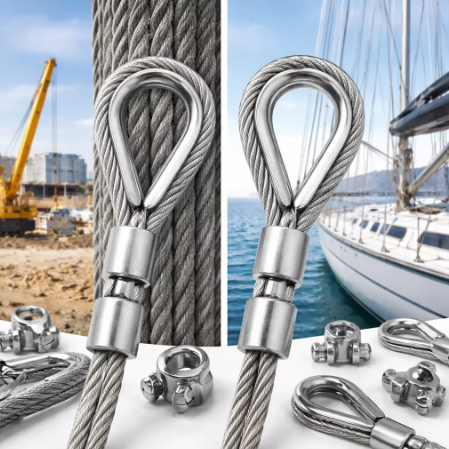
Galvanized and stainless steel wire rope may look similar at first. In real work, they can perform very differently. A small material choice can affect service life, corrosion resistance, lifting safety, and total cost.
This is why buyers, engineers, and project teams compare them so often. The right option depends on where it will be used, how much it must carry, and how long it needs to last. It also helps to consider specialized products like non-rotating steel wire rope for lifting tasks that need better load stability.
In this article, we will discuss the key differences between galvanized and stainless steel wire rope. You will learn how they compare in strength, appearance, maintenance, and practical use, and how suppliers like Fengying support different application needs.
Galvanized vs Stainless Steel Wire Rope
Corrosion resistance in outdoor, wet, and marine conditions
Corrosion resistance is often the deciding factor. Stainless steel contains chromium, which forms a protective layer that resists rust even in saltwater and chemical environments. This makes it ideal for marine, offshore, and humid conditions.
Galvanized wire rope uses a zinc coating to protect the steel underneath. It performs well in dry or mildly wet environments. However, once the coating wears off or gets damaged, corrosion can begin. This makes it less suitable for constant exposure to saltwater.
Strength, flexibility, and load-bearing performance
Galvanized wire rope generally offers high tensile strength. It performs well in heavy-duty applications such as lifting, winching, and construction. Its structure allows it to handle repeated stress effectively.
Stainless steel wire rope also provides strong performance, but its strength-to-weight ratio differs slightly. It prioritizes durability and resistance over raw tensile strength. For precision lifting, both materials can be used in non-rotating steel wire rope designs.
Surface appearance and finish expectations
Appearance matters in many applications. Stainless steel has a bright, polished finish that remains consistent over time. It is often chosen for architectural or decorative uses.
Galvanized wire rope has a dull, matte appearance. Over time, it may show signs of wear or oxidation. In industrial settings, this is usually acceptable.
Cost comparison and long-term value
Cost often becomes the first factor buyers consider, but it should not be the only one. Different materials bring different long-term results. A lower upfront price may lead to higher maintenance later, while a higher initial investment can reduce replacement frequency.
Factor | Galvanized Wire Rope | Stainless Steel Wire Rope |
Initial Cost | More affordable upfront | Higher initial investment |
Budget Suitability | Ideal for tight budgets and large volume | Better for projects with long-term planning |
Maintenance Needs | May require more frequent inspection | Lower maintenance due to corrosion resistance |
Service Life | Shorter in harsh environments | Longer lifespan in demanding conditions |
Long-Term Value | Cost-effective in mild conditions | Higher value in corrosive or extreme environments |
Impact on maintenance, inspection, and service life
Maintenance directly affects rope performance over time. Galvanized wire rope requires regular inspection, especially in moist conditions. The zinc coating must stay intact to prevent rust on the steel core. If the coating wears off, corrosion can develop and shorten service life.
Stainless steel wire rope needs less frequent maintenance. Its corrosion resistance allows stable performance in wet and dry environments. This reduces downtime and lowers replacement frequency over time.
What Makes Galvanized Wire Rope a Practical Choice
Ideal for general industrial, outdoor, and construction environments
Galvanized wire rope performs well in environments where exposure to moisture is limited. It is widely used in construction sites, warehouses, and outdoor infrastructure projects. Its protective zinc coating helps it handle moderate environmental stress, making it a dependable choice for daily operations.
Common uses such as fencing, winching, lifting, and utility systems
Galvanized wire rope is widely used across different industries due to its versatility and reliable performance. It supports a range of applications where strength, flexibility, and cost-efficiency are required. From fixed installations to mobile operations, it adapts well to different working conditions.
Application Area | Typical Use Case | Key Benefit |
Construction Systems | Lifting materials and equipment | Strong load capacity and durability |
Fencing & Boundary Setups | Security fencing and perimeter control | Cost-effective and easy to install |
Winching Operations | Pulling and towing loads | Reliable pulling strength |
Utility Systems | Supporting lines and infrastructure | Stable and long-lasting performance |
General Rigging | Temporary or mobile lifting setups | Flexible and adaptable use |
Each of these applications benefits from its balance of strength, durability, and affordability.
Cost-efficiency advantages for large-scale or budget-sensitive projects
For large projects, cost savings can be significant. Galvanized wire rope allows businesses to maintain performance while controlling expenses. It is especially useful when large quantities are required without sacrificing reliability.
Widely available from manufacturers in multiple constructions and diameters
Suppliers like Fengying provide galvanized wire rope in various constructions, including options compatible with non-rotating steel wire rope systems. This flexibility helps meet different load and handling requirements.
Tip: Choose galvanized wire rope when cost control and high strength are priorities, especially in environments without constant moisture exposure.
Why Stainless Steel Wire Rope Excels in Harsh Conditions
Superior resistance to saltwater, chemicals, and extreme weather
Stainless steel performs exceptionally well in aggressive environments. It resists rust even when exposed to seawater, chemicals, or high humidity. This makes it a reliable option for offshore, coastal, and industrial settings where corrosion risk is constant and unavoidable. It also maintains performance in temperature changes and fluctuating weather conditions.
Preferred for marine, food-grade, and hygienic environments
Its non-reactive surface makes it ideal for food processing, medical equipment, and marine applications. It maintains integrity without contaminating sensitive environments. This is especially important in industries where cleanliness and material stability directly affect safety and compliance. It also simplifies cleaning and sanitation processes.
Clean, polished appearance for architectural and decorative uses
Designers prefer stainless steel for its sleek appearance. It is often used in railings, bridges, and modern structures where aesthetics matter. Its surface remains bright over time, even with exposure to outdoor conditions. This helps maintain a consistent visual standard in public and commercial spaces.
Long-term durability with minimal surface degradation
Stainless steel maintains its structure and appearance over time. It reduces the need for replacements, making it a reliable long-term investment. Its consistent performance helps lower maintenance efforts and supports stable operation in demanding environments. This reliability is valuable for projects requiring long service intervals.
How to Choose Between Galvanized and Stainless Steel Wire Rope
Evaluate environmental exposure first
Start by analyzing where the rope will be used. Dry environments favor galvanized steel. Wet or corrosive environments demand stainless steel. Always consider factors like humidity, salt exposure, chemical contact, and temperature changes before making a final decision, as these directly affect durability and long-term performance.
Align rope selection with load, movement, and usage frequency
Consider how often the rope will be used and under what load. Dynamic applications may require more durable materials and specialized constructions. Frequent movement and high loads can increase wear, so selecting the right material helps extend service life, reduce risk, and maintain safe operation under continuous use.
Compare upfront cost versus lifecycle value
Initial cost is only part of the equation. Long-term maintenance, replacement frequency, and downtime should also be considered. A higher upfront investment may reduce overall operational costs over time, improve efficiency, and minimize unexpected interruptions in critical operations.
Determine when non-rotating steel wire rope is required for lifting stability
For lifting heavy loads, especially in vertical applications, non-rotating steel wire rope helps prevent twisting and improves safety. It is particularly useful in cranes and hoists where stable load handling is critical and precision matters for consistent lifting performance.
Work with experienced suppliers to ensure correct specifications
Partnering with experienced manufacturers like Fengying ensures you get the right diameter, construction, and material for your application. Their expertise helps reduce selection errors, improve compatibility with equipment, and enhance overall system reliability and long-term performance.
Note: Selecting the wrong material often leads to higher long-term costs than the initial savings.
Galvanized vs Stainless Steel Wire Rope in Real Applications
Different environments require different material strengths and properties. Understanding where each type performs best helps users make more practical and efficient decisions. Below is a comparison of how galvanized and stainless steel wire rope are used across common real-world applications.
Application Scenario | Preferred Material | Typical Reason |
Marine Rigging & Offshore Use | Stainless Steel | Resists saltwater corrosion and harsh weather |
Construction & Crane Systems | Galvanized Steel | Strong performance at lower cost |
Material Handling Equipment | Galvanized Steel | Reliable under heavy loads and repeated use |
Architectural Applications | Stainless Steel | Clean appearance and long-lasting finish |
Medical & Food Processing | Stainless Steel | Hygienic surface and easy maintenance |
Each application highlights how material choice directly affects durability, safety, and overall performance.
How Material Affects Non-Rotating Steel Wire Rope Performance
Relationship between material type and rotation control
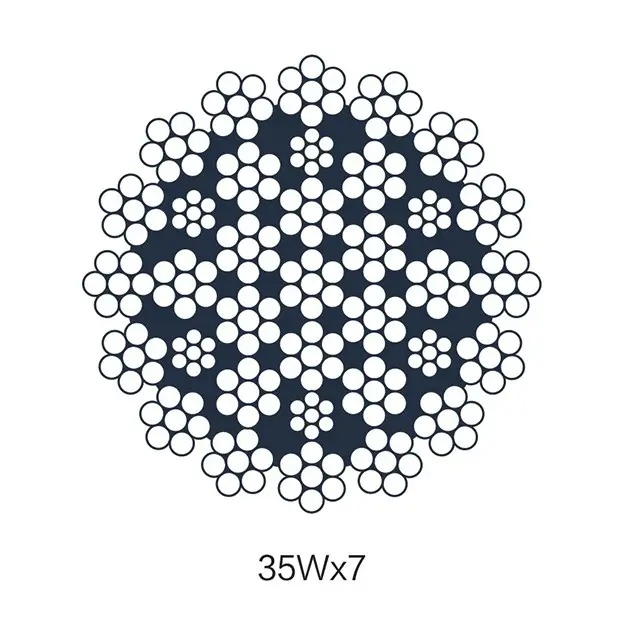
Rotation resistance mainly depends on rope construction, but material still plays an important role. Stainless steel improves durability in harsh environments, especially where corrosion is a concern. Galvanized steel offers a more cost-effective solution while still supporting stable rotation control in moderate conditions and general applications.
Choosing the right option for cranes, hoists, and vertical lifting
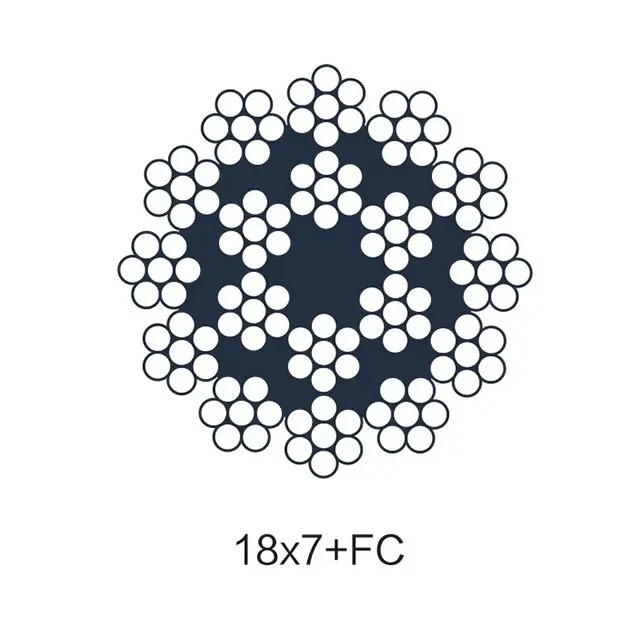
For cranes and hoists, non-rotating steel wire rope improves load control and reduces twisting during lifting. Material choice should always match environmental conditions. In demanding environments, stainless steel provides longer service life, while galvanized options can perform well in controlled settings.
Matching rope construction with environmental demands
Combining the right construction with the right material ensures optimal performance. For example, stainless steel non-rotating ropes work well offshore or in humid areas. Galvanized versions are better suited for indoor or dry outdoor use where corrosion risk is lower.
Selecting non-rotating steel wire rope for smooth handling and durability
Choose ropes designed for minimal twist and consistent handling. Proper construction reduces vibration and improves lifting efficiency. Manufacturers like Fengying offer multiple configurations to meet these needs, helping users achieve stable, durable, and reliable operation across different applications.
Conclusion
Choosing between galvanized and stainless steel wire rope depends on real application needs. There is no single best option for every situation. Galvanized wire rope offers strong performance and lower cost, making it suitable for general industrial and outdoor use. Stainless steel wire rope provides higher corrosion resistance and longer service life, especially in harsh or wet environments. Material choice is only part of the decision. In lifting systems, using non-rotating steel wire rope can improve stability and reduce twisting during operation. This helps increase safety and handling control. By comparing environment, load, and usage conditions, buyers can make better choices.
Jiangsu Fengying New Material Technology Co., Ltd. offers a wide range of wire rope solutions with strong durability, consistent quality, and flexible specifications. Their products help users achieve reliable performance across different industries and working conditions.
FAQ
Q: What is the main difference between galvanized and stainless steel wire rope?
A: The main difference is corrosion resistance and cost. Galvanized wire rope is more affordable and works well in general industrial and outdoor settings. Stainless steel wire rope resists saltwater, chemicals, and moisture better, so it is often chosen for marine, hygienic, and long-life applications.
Q: When should I choose non-rotating steel wire rope instead of standard wire rope?
A: You should choose non-rotating steel wire rope for lifting tasks where load stability matters. It helps reduce twisting during vertical lifting, which improves control and safety in cranes, hoists, and similar equipment.
Q: Why is stainless steel often preferred for non-rotating steel wire rope in harsh environments?
A: Stainless steel is often used for non-rotating steel wire rope in harsh environments because it offers better resistance to rust, salt, and chemicals. This helps the rope keep its performance longer in offshore, marine, or wet conditions.
Q: Is galvanized wire rope cheaper than non-rotating steel wire rope made from stainless steel?
A: Yes, galvanized wire rope is usually cheaper. A non-rotating steel wire rope made from stainless steel often costs more because of its material and specialized construction. Still, it may offer better long-term value in demanding environments.
Q: How do I know if non-rotating steel wire rope is right for my application?
A: Check your lifting direction, load behavior, and work environment. If the load may spin or if precise lifting is important, non-rotating steel wire rope is often the better choice. It is especially useful in vertical lifting systems.
Q: Which option offers better long-term value?
A: It depends on where and how you use it. Galvanized wire rope offers strong value in dry or moderate conditions because it costs less upfront. Stainless steel or non-rotating steel wire rope may offer better long-term value when corrosion resistance, stability, and lower maintenance are more important.


